Three hours of traffic before the Gotthard tunnel, and the backseat has gone quiet in the way that means either sleep or crayons. This time it was crayons. Somewhere past Erstfeld my son handed a drawing forward between the seats: our car, drawn as a box with five wheels, in a queue of other boxes. A sun with sunglasses. Everyone in the car apparently screaming.
That drawing is a more honest record of that day than the forty photos on my phone. The photos show the Gotthard rest stop looking almost scenic. The drawing shows what the day actually felt like.
Photos show where you were. Drawings show how it felt.
We take hundreds of photos on holiday and most of them are the same photo: kids in front of a thing, squinting. Ask your child to find last summer in those photos and they’ll shrug.
But a holiday drawing is the trip processed by the person who matters most. The hotel room drawn with the beds comically huge, because the beds were the best part. The beach with nineteen jellyfish, because one jellyfish made a big impression. Grandma’s dog, larger than grandma. Kids don’t draw what a place looked like. They draw what mattered about it. That’s not a worse record than a photo. It’s a better one.
It’s also the only travel diary a four-year-old can keep. Writing “today we drove forever and I saw a castle” is out of reach. Drawing it isn’t. And they do, constantly: on the backs of menus, on hotel notepads, in the sketchbook you packed at the last minute.
On the road: don’t organize, just don’t lose them
Here’s what I’ve learned not to do: curate while travelling. You will not sort drawings in a hotel room at 9pm, and you shouldn’t try.
Two habits are enough:
Photograph the drawing the day it’s made. Not artfully. Just flat on the hotel bed or the café table, straight down, decent light. Thirty seconds. The paper original may not survive the footwell, the beach bag, or the spilled Rivella. The ones that die are always somehow the good ones. Once it’s photographed, whatever happens to the paper is fine.
One envelope in the glove box. Everything that still exists on paper goes in when you pack the car. Not sorted, not flattened, just contained. The envelope comes home; the loose drawings never do.
That’s the whole system. The hard part isn’t effort, it’s remembering. Tie it to something you already do daily, like charging your phone at night.
Back home: the pile becomes one small book
The envelope comes home fat, joins the drawings that were made at the campsite and at grandma’s, and now there’s a summer pile on top of the regular pile. This is the moment most of it quietly ends up in the recycling: six weeks later, with a guilty conscience, in a bin bag pushed down so nobody sees.
There’s a nicer ending. Sit down with your child, one afternoon after the holiday laundry is done, and pick together. Which ones tell the story of the summer? Ten or fifteen, not fifty. The picking is the good part: they’ll narrate every single drawing, and you’ll learn things about your own holiday you missed. The jellyfish incident, apparently, was a much bigger deal than you knew.
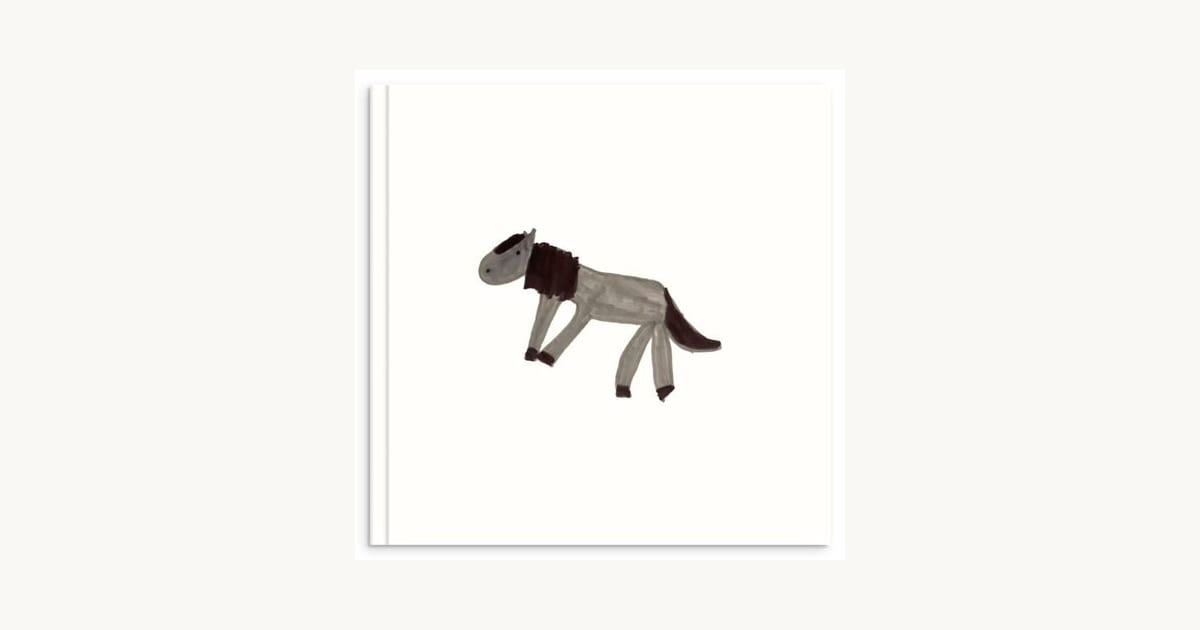
Those ten or fifteen become the summer book: the trip retold by the person who lived it hardest. Next to the photo album with the squinting, it’s the one the kids will actually pull off the shelf.
Where Scribbly fits (and where it doesn’t)
The photographing part is what Scribbly does. You photograph a drawing with the app, it removes the hotel-carpet background automatically, and everything lands organized by child and date. The app is free, with unlimited drawings and no subscription. When you’re ready to make the summer book, that’s a printed product you order once, from about the price of a pizza dinner.
But honestly: the envelope in the glove box needs no app. Start there. The point isn’t the tool. It’s that the drawing from the traffic jam, the one with five wheels and everyone screaming, still exists in February.